Technology
TENSOR

TENSOR Rotor System
Technology
TENSOR
TENSOR Rotor System
Technology
TENSOR
TENSOR Rotor System
TENSOR Rotor Blade – Enabling larger, more efficient aircraft
TENSOR Rotor Blade – Enabling larger, more efficient aircraft
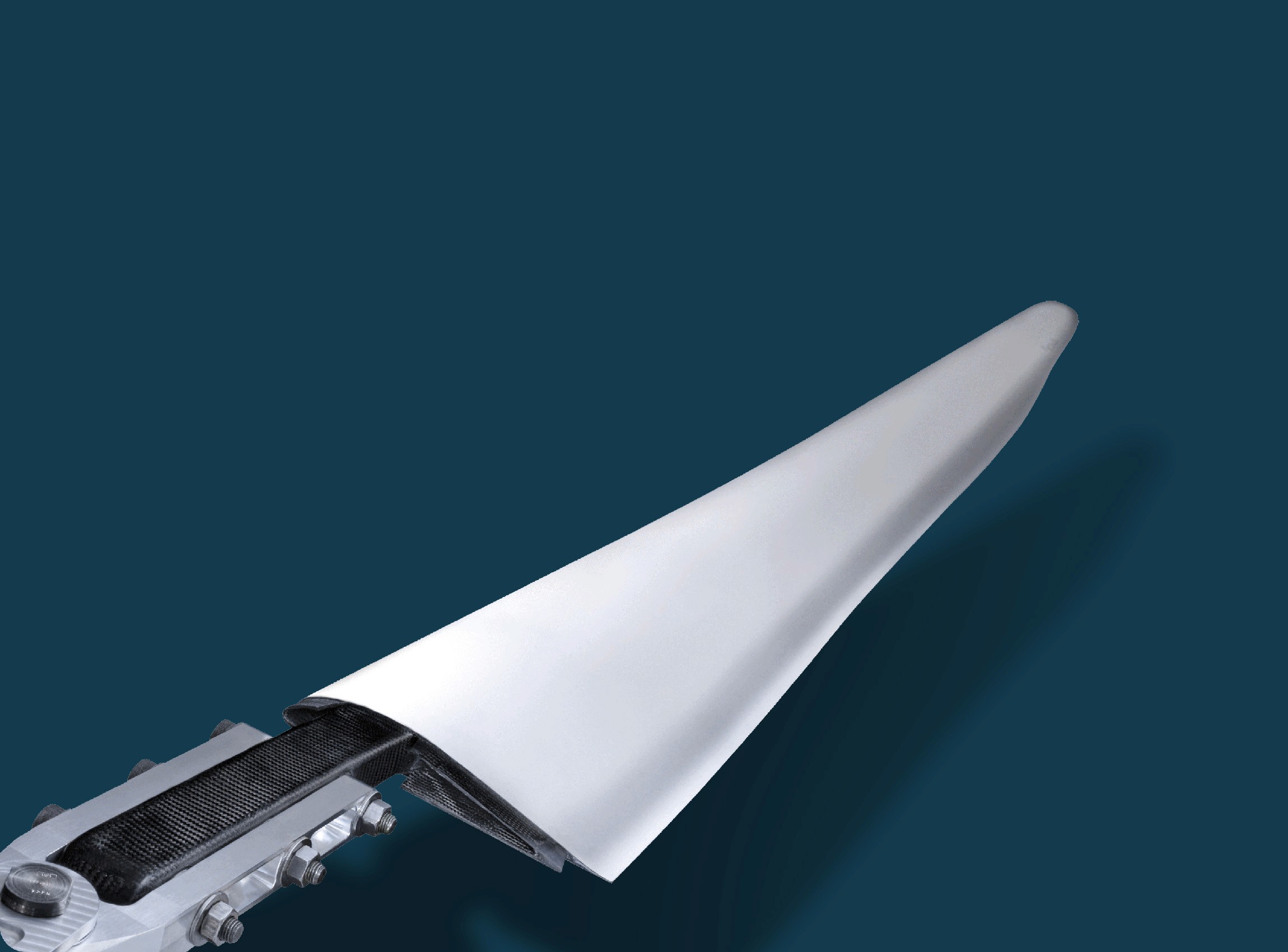
The TENSOR Rotor Blade is based on a proprietary and patented aerodynamic design that balances lift and drag across a wide operating envelope. This enables higher performance margins and supports larger, heavier aircraft. The design is validated through simulations, wind tunnel testing, and real-world flight operation on the TENSOR 600-Series aircraft.
The TENSOR Rotor Blade is based on a proprietary and patented aerodynamic design that balances lift and drag across a wide operating envelope. This enables higher performance margins and supports larger, heavier aircraft. The design is validated through simulations, wind tunnel testing, and real-world flight operation on the TENSOR 600-Series aircraft.
TENSOR Rotor
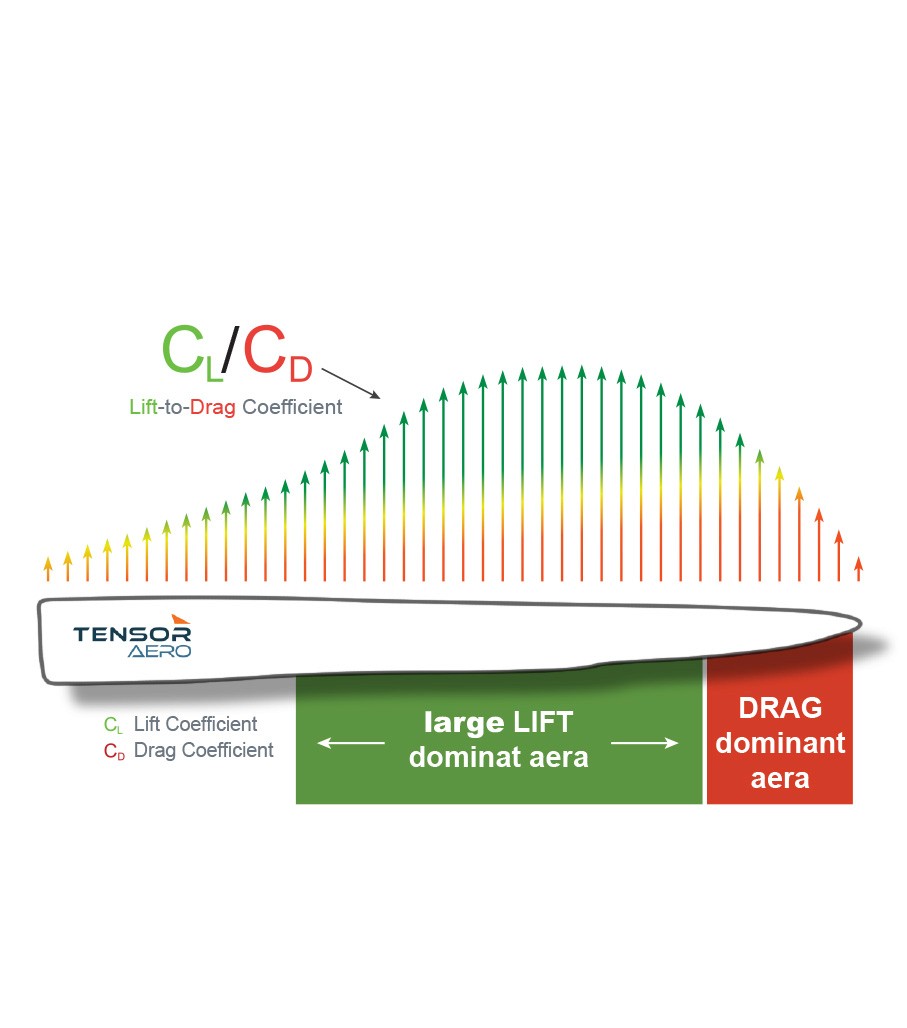
Aerodynamically optimized chord distribution, twisted geometry, and multi-regime airfoil architecture to maximize lift coefficient and rotor efficiency.
The TENSOR Rotor is based on a proprietary and patented aerodynamic design methodology that precisely controls local angle of attack and lift distribution along the blade span. High-fidelity CFD simulations and wind-tunnel testing validate the integrated optimization of chord variation, nonlinear twist, and tailored airfoil sections across the operating envelope. The resulting performance increase enables higher disc loading and supports larger, heavier aircraft without proportional increases in power demand.
01
Tensor Rotor
TENSOR Rotor
Aerodynamically optimized chord distribution, twisted geometry, and multi-regime airfoil architecture to maximize lift coefficient and rotor efficiency.
The TENSOR Rotor is based on a proprietary and patented aerodynamic design methodology that precisely controls local angle of attack and lift distribution along the blade span. High-fidelity CFD simulations and wind-tunnel testing validate the integrated optimization of chord variation, nonlinear twist, and tailored airfoil sections across the operating envelope. The resulting performance increase enables higher disc loading and supports larger, heavier aircraft without proportional increases in power demand.
01
Tensor Rotor
TENSOR Rotor
Aerodynamically optimized chord distribution, twisted geometry, and multi-regime airfoil architecture to maximize lift coefficient and rotor efficiency.
The TENSOR Rotor is based on a proprietary and patented aerodynamic design methodology that precisely controls local angle of attack and lift distribution along the blade span. High-fidelity CFD simulations and wind-tunnel testing validate the integrated optimization of chord variation, nonlinear twist, and tailored airfoil sections across the operating envelope. The resulting performance increase enables higher disc loading and supports larger, heavier aircraft without proportional increases in power demand.
01
Tensor Rotor
Conventional Rotor
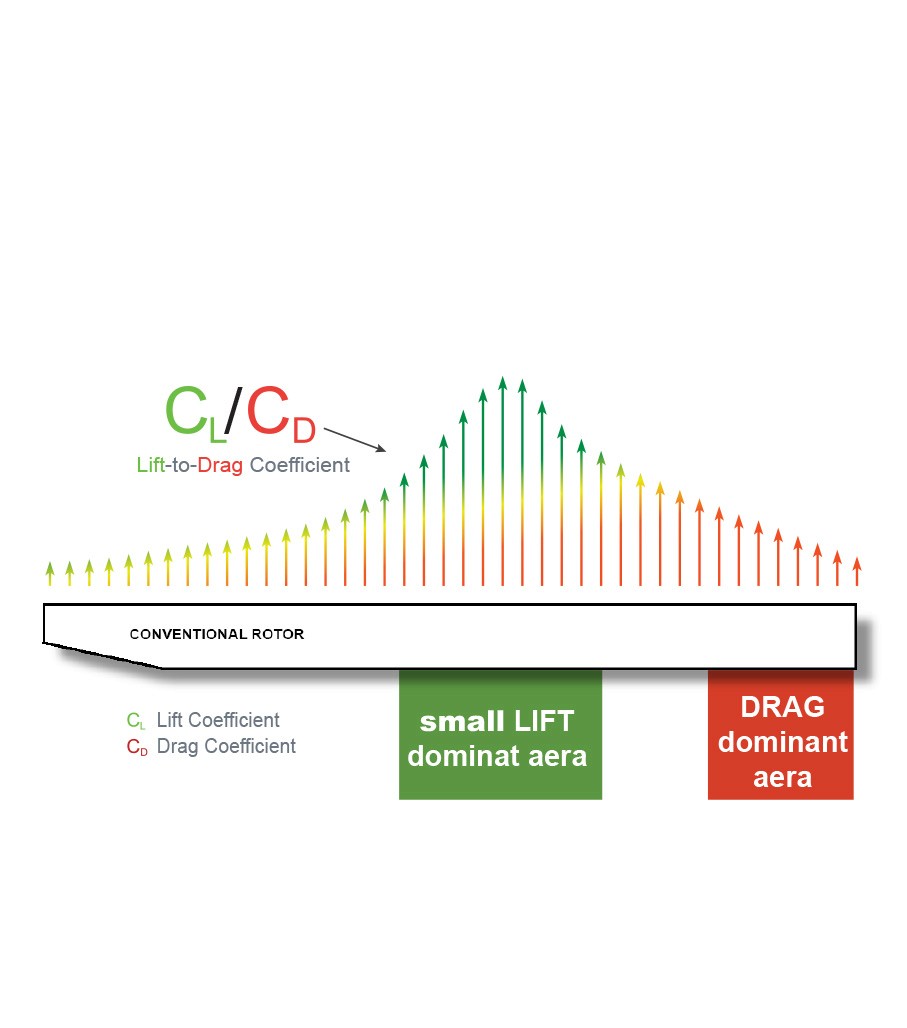
Constant chord, untwisted geometry, and uniform airfoil selection resulting in limited aerodynamic efficiency.
Conventional gyroplane rotors typically employ a constant blade geometry with no aerodynamic twist and a single, legacy airfoil profile commonly referred to as a “NACA” or “Bensen” blade. This uniform design constrains lift distribution and overall rotor efficiency, leading to fundamentally similar performance characteristics across existing gyroplane platforms. As a result, aircraft gross weight is structurally and aerodynamically limited, with practical operational ceilings typically around 600 kg.
02
Conv. Rotor
Conventional Rotor
Constant chord, untwisted geometry, and uniform airfoil selection resulting in limited aerodynamic efficiency.
Conventional gyroplane rotors typically employ a constant blade geometry with no aerodynamic twist and a single, legacy airfoil profile commonly referred to as a “NACA” or “Bensen” blade. This uniform design constrains lift distribution and overall rotor efficiency, leading to fundamentally similar performance characteristics across existing gyroplane platforms. As a result, aircraft gross weight is structurally and aerodynamically limited, with practical operational ceilings typically around 600 kg.
02
Conv. Rotor
Conventional Rotor
Constant chord, untwisted geometry, and uniform airfoil selection resulting in limited aerodynamic efficiency.
Conventional gyroplane rotors typically employ a constant blade geometry with no aerodynamic twist and a single, legacy airfoil profile commonly referred to as a “NACA” or “Bensen” blade. This uniform design constrains lift distribution and overall rotor efficiency, leading to fundamentally similar performance characteristics across existing gyroplane platforms. As a result, aircraft gross weight is structurally and aerodynamically limited, with practical operational ceilings typically around 600 kg.
02
Conv. Rotor
Extensive Computer Simulation
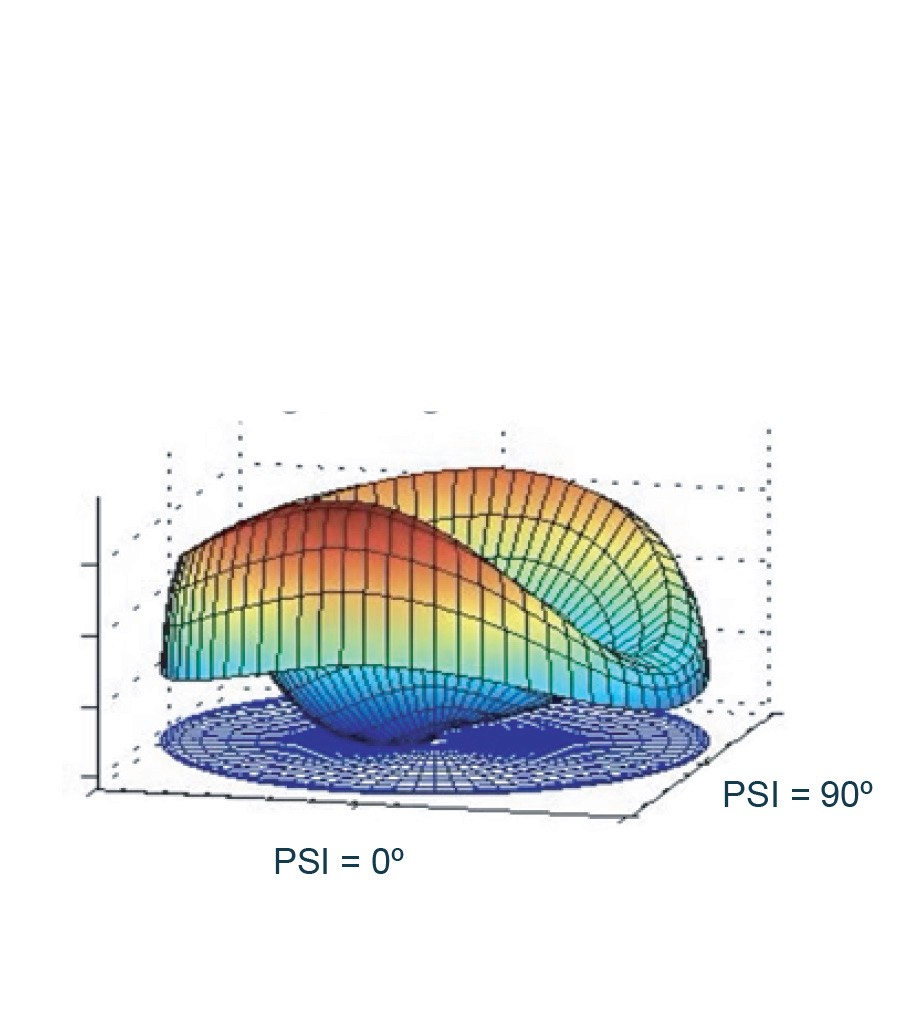
State-of-the-art simulation tools combining commercial solvers with proprietary, self-developed algorithms.
The TENSOR development program relies on a modern and proprietary simulation toolchain integrating high-fidelity CFD with internally developed aerodynamic algorithms. These methods enable detailed modeling of lift, drag, and load distributions across a wide operating envelope and multiple flight regimes. The toolchain reflects more than ten years of focused research and development, forming a defensible foundation for performance optimization and continuous iteration.
03
Simulation
Extensive Computer Simulation
State-of-the-art simulation tools combining commercial solvers with proprietary, self-developed algorithms.
The TENSOR development program relies on a modern and proprietary simulation toolchain integrating high-fidelity CFD with internally developed aerodynamic algorithms. These methods enable detailed modeling of lift, drag, and load distributions across a wide operating envelope and multiple flight regimes. The toolchain reflects more than ten years of focused research and development, forming a defensible foundation for performance optimization and continuous iteration.
03
Simulation
Extensive Computer Simulation
State-of-the-art simulation tools combining commercial solvers with proprietary, self-developed algorithms.
The TENSOR development program relies on a modern and proprietary simulation toolchain integrating high-fidelity CFD with internally developed aerodynamic algorithms. These methods enable detailed modeling of lift, drag, and load distributions across a wide operating envelope and multiple flight regimes. The toolchain reflects more than ten years of focused research and development, forming a defensible foundation for performance optimization and continuous iteration.
03
Simulation
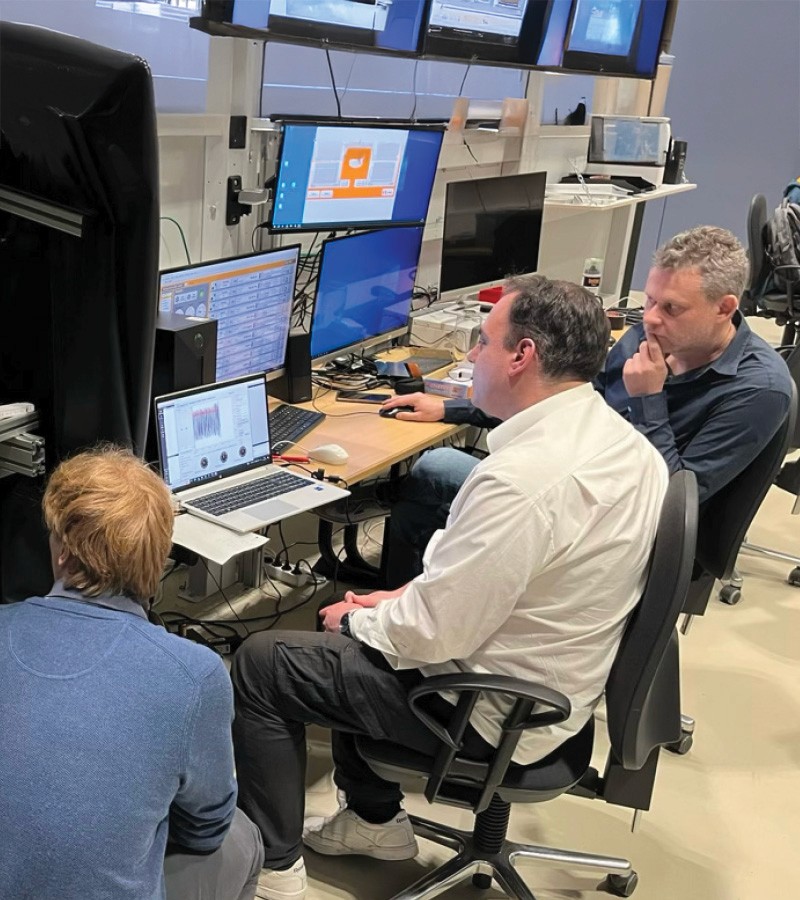
Intensive Wind Tunnel Testing
Comprehensive wind tunnel testing to validate simulation results and optimize full rotor system integration.
The TENSOR rotor system undergoes extensive wind tunnel testing in cooperation with Bundeswehr Universität München to experimentally validate high-fidelity simulation models. These tests provide detailed insights into aerodynamic loads, flow behavior, and system interactions, enabling correlation with CFD predictions. The results directly support vibration reduction, configuration optimization, and refined rotor head design for efficient integration at the aircraft level.
04
Testing
Intensive Wind Tunnel Testing
Comprehensive wind tunnel testing to validate simulation results and optimize full rotor system integration.
The TENSOR rotor system undergoes extensive wind tunnel testing in cooperation with Bundeswehr Universität München to experimentally validate high-fidelity simulation models. These tests provide detailed insights into aerodynamic loads, flow behavior, and system interactions, enabling correlation with CFD predictions. The results directly support vibration reduction, configuration optimization, and refined rotor head design for efficient integration at the aircraft level.
04
Testing
Intensive Wind Tunnel Testing
Comprehensive wind tunnel testing to validate simulation results and optimize full rotor system integration.
The TENSOR rotor system undergoes extensive wind tunnel testing in cooperation with Bundeswehr Universität München to experimentally validate high-fidelity simulation models. These tests provide detailed insights into aerodynamic loads, flow behavior, and system interactions, enabling correlation with CFD predictions. The results directly support vibration reduction, configuration optimization, and refined rotor head design for efficient integration at the aircraft level.
04
Testing